Therapy Response Prediction
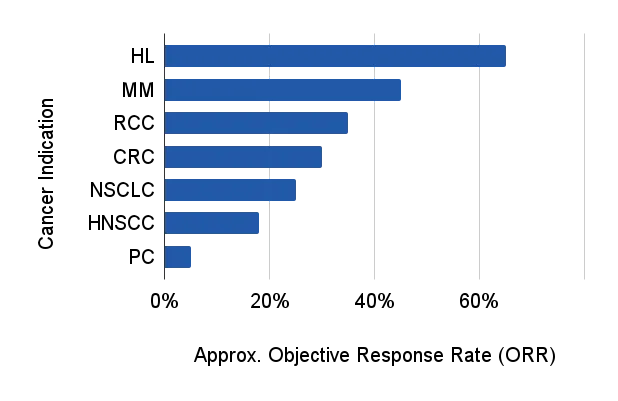
The ultimate challenge in precision medicine is to be able to predict in advance of any treatment who will and who will not respond. Currently, approximate objective response rates for cancer immunotherapies vary significantly across indications like Hodgkin’s Lymphoma, Melanoma, Renal Cell Carcinoma, Colorectal Cancer, Non-Small Cell Lung Cancer, Head & Neck Squamous Cell Carcinoma, and Pancreatic Cancer.
Approximate Objective response rates for cancer immunotherapies by indication (Haslam et al.). HL: Hodgkin’s Lymphoma, MM: Melanoma, RCC: Renal Cell Carcinoma, CRC; Colorectal Cancer, NSCLC: Non-Small Cell Lung Cancer, HNSCC: Head & Neck Squamous Cell Carcinoma, PC: Pancreatic Cancer.
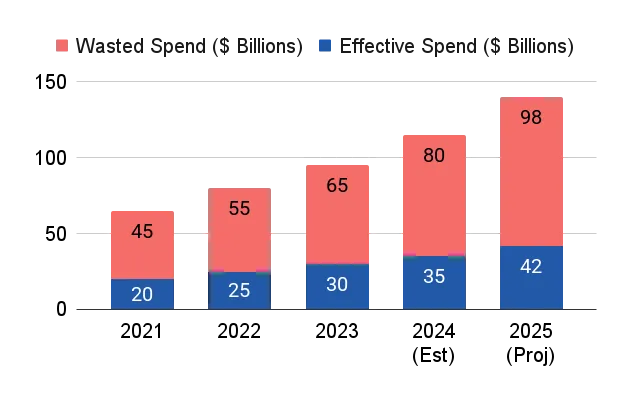
Estimated global spending on immunotherapy drugs, segmented by "Effective Spend" (patients who benefit) versus "Wasted Spend" (patients who do not respond but incur the cost). Source: IQVIA Oncology Trends.
MyImmune’s Innovative Approach
Immunotherapy response relies heavily on a patient's unique immune state, making immune repertoire analysis a powerful predictive tool. While decoding this highly individualized data into population-wide features remains a widespread problem, MyImmune excels in this challenge.
MyImmune is the first platform to demonstrate applicability across cancer and autoimmune diseases. Our benchmarks outperform the current standard of care for treatment monitoring and response prediction through classical tools like PD-L1 immunohistochemistry, Tumor Mutational Burden (TMB), Gene Expression Signatures (GES), and radiomics.
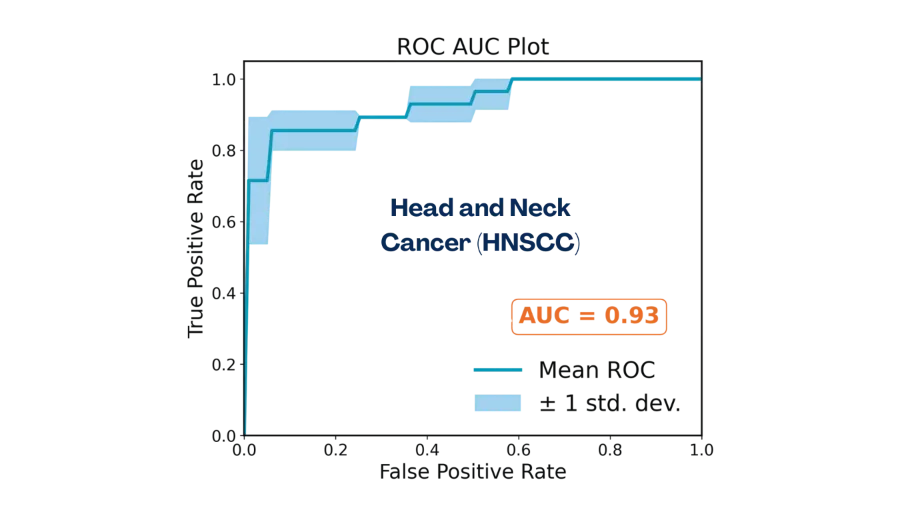
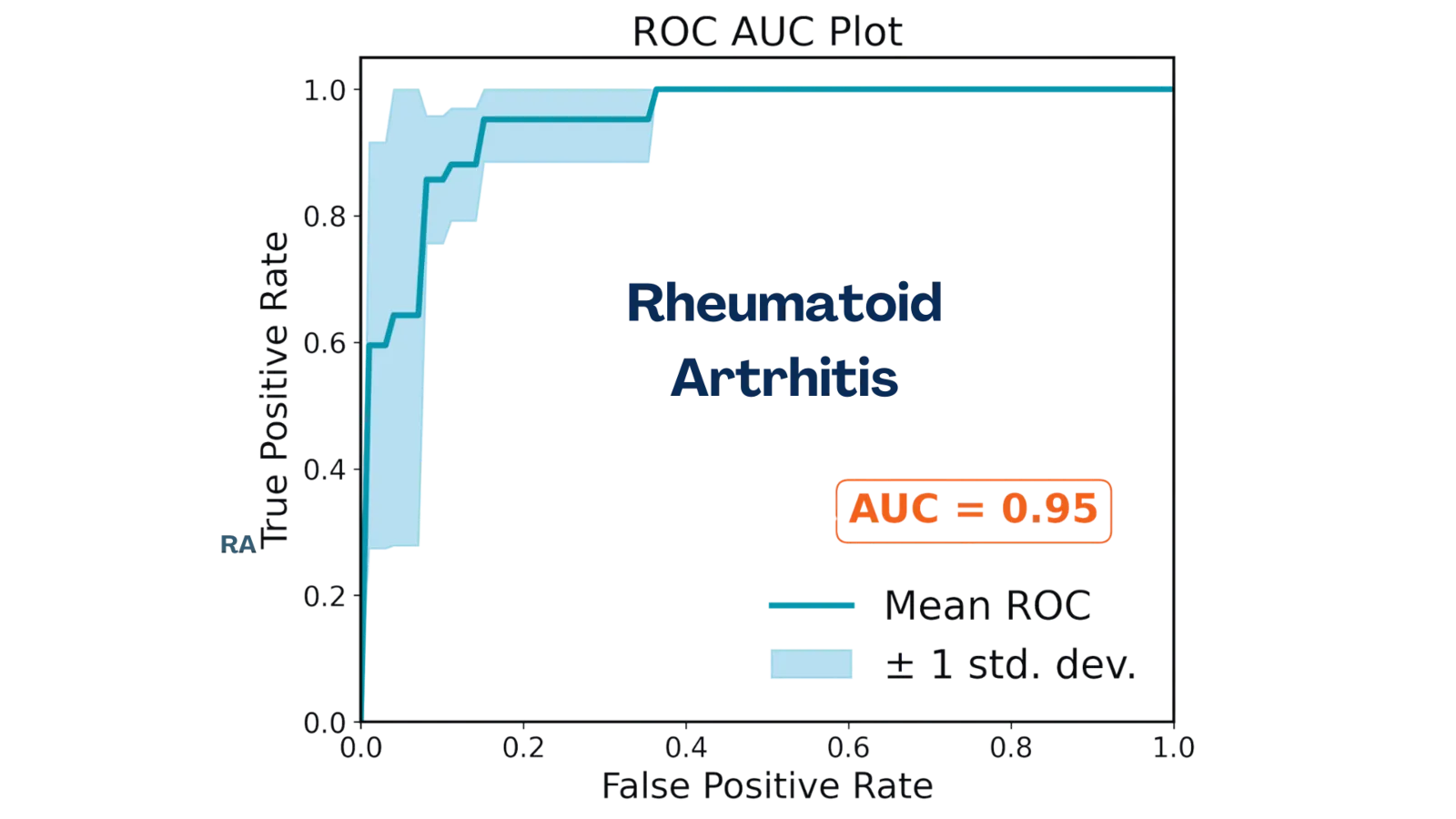
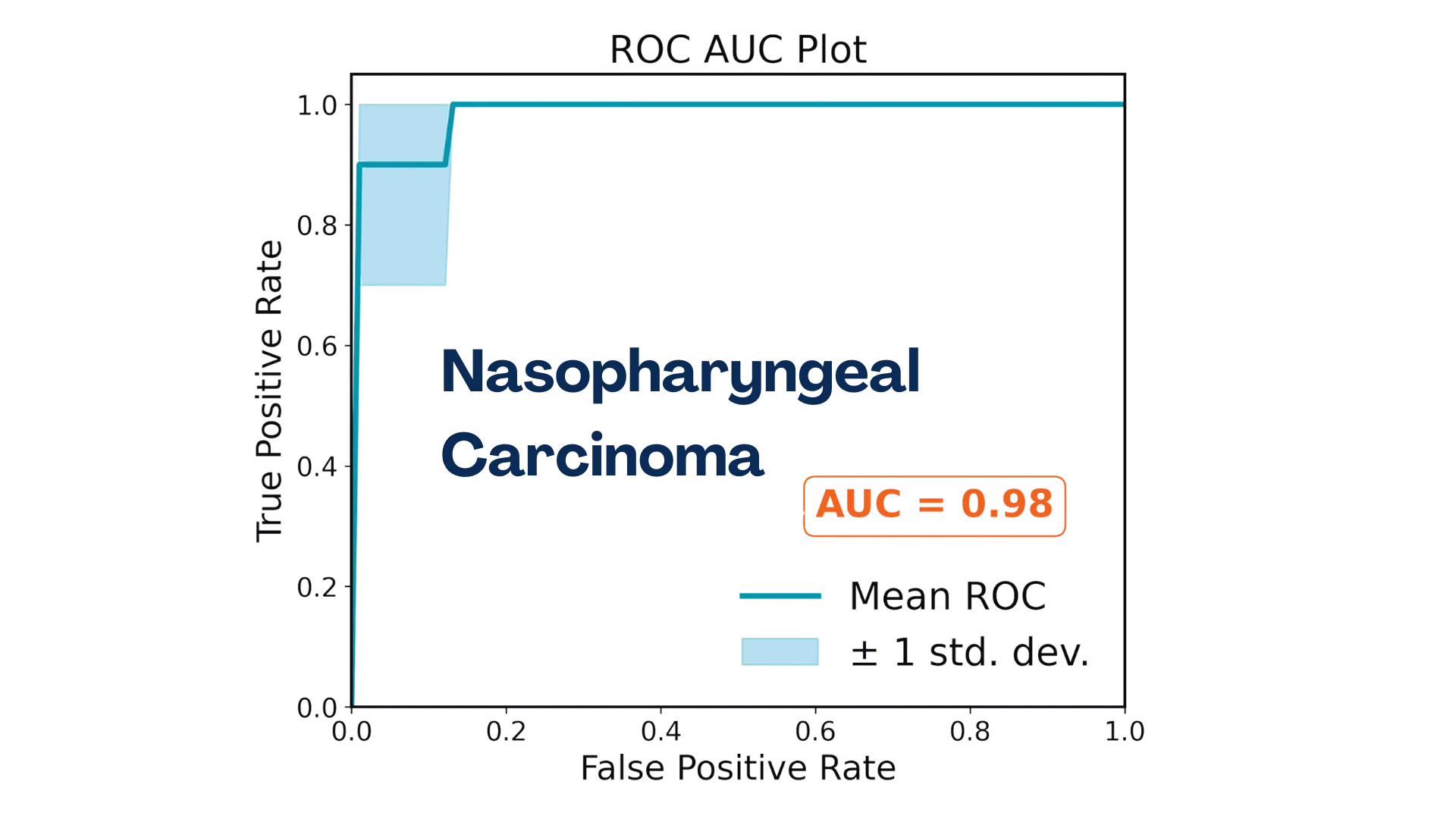
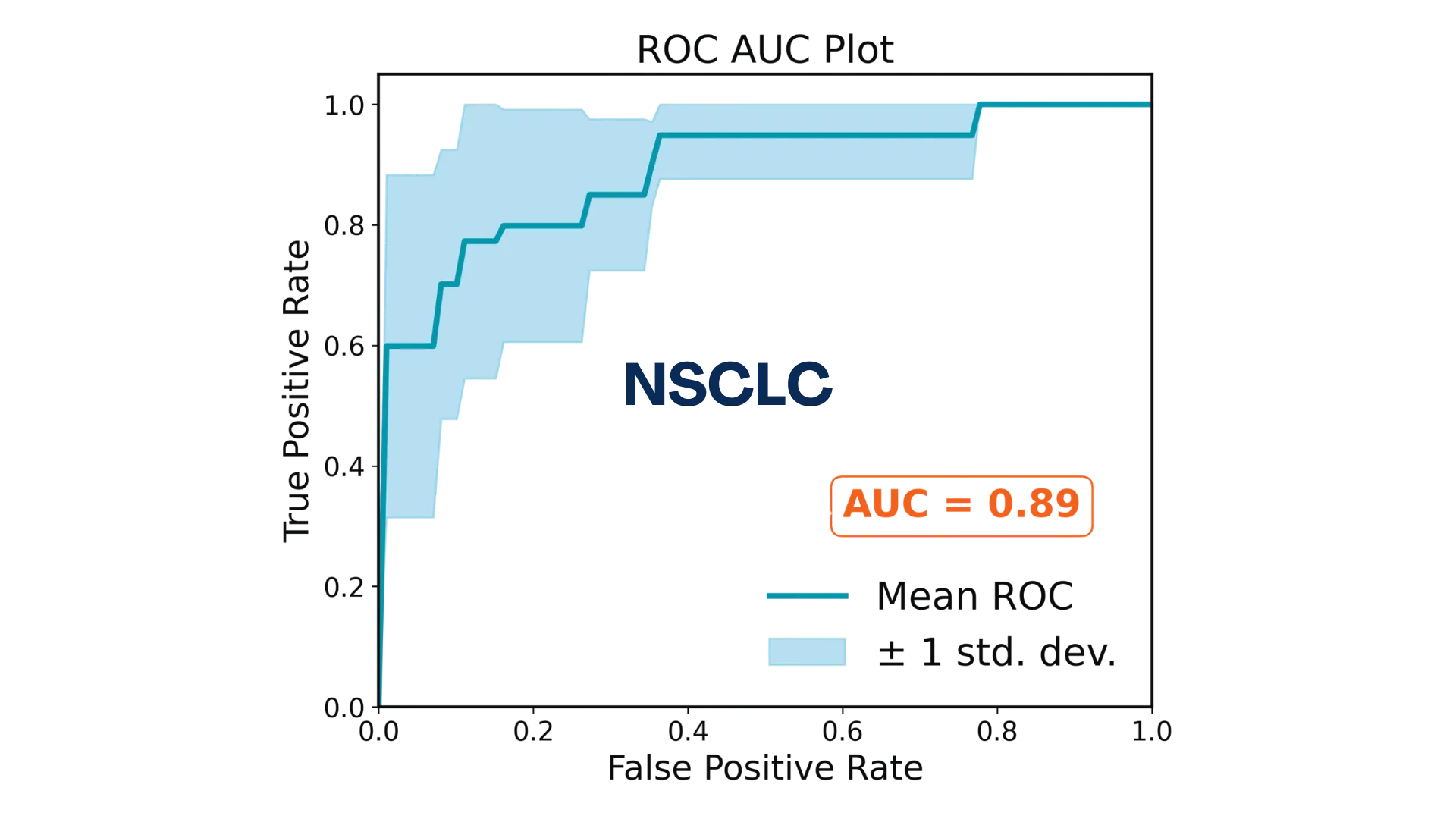
By assessing treatment response prediction from two timepoints, our models have demonstrated strong performance. We have evaluated our predictions using ROC curves for:
- PD-1 or combined PD-1/CTLA-4 for head-neck squamous cell carcinoma.
- Radiotherapy for nasopharyngeal cancer.
- Rituximab for rheumatoid arthritis.
- Combined ionizing radiation and ipilimumab for non-small cell lung cancer.
HNSCC
Rheumatoid Arthritis
Nasopharyngeal Carcinoma
Radiotherapy (IMRT/VMAT/TOMO)
Mean ROC AUC: 0.98
Non-Small Cell Lung Cancer (NSCLC)
Predicting Therapy Response Before Treatment
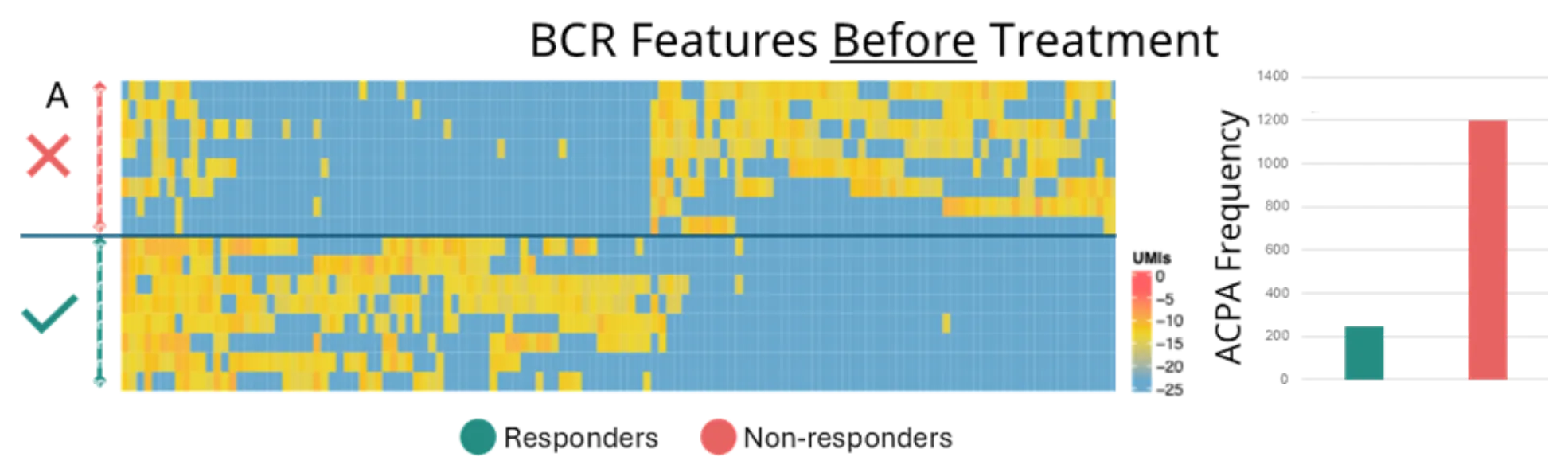
In the latest iteration of our patient stratification model, we achieved the goal of predicting therapy responses before treatment. This baseline prediction of therapeutic response has been demonstrated across diverse treatments:
Rheumatoid Arthritis (Rituximab Treatment)
- Evaluating raw BCR features of 16 rheumatoid arthritis patients before treatment with Rituximab identifies distinct clusters for responders versus non-responders.
- Non-responder clusters show significantly higher ACPA enrichment, providing a mechanistic interpretation.
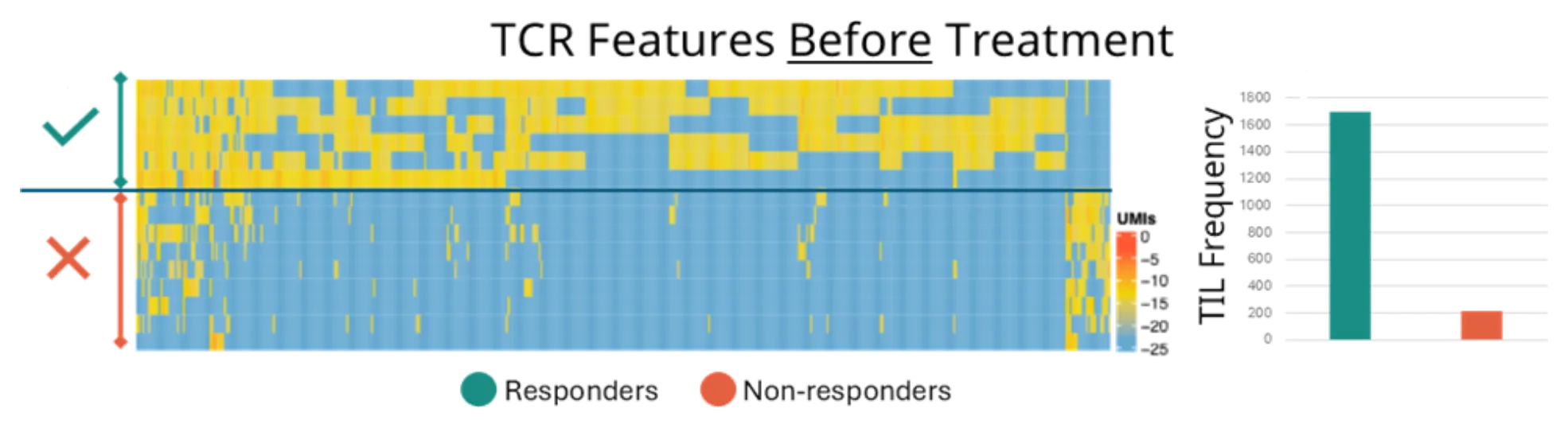
Head-Neck Squamous Cell Carcinoma (PD-1 or combined PD-1/CTLA-4 Treatment)
- Using raw TCR cluster frequencies as features enabled the qualitative separation of responders and non-responders.
- Responders had dramatically high levels of tumor-infiltrating lymphocytes (TILs) in these specific clusters.
A Paradigm Shift in Precision Medicine
This development represents a paradigm shift in precision medicine since we are not only able to predict therapy responses at baseline, but are also able to derive generalizable features that can be used to explain mechanisms of response and non-response.
Partner With Us
We now offer select partners to pilot our technology for RUO use or joint biomarker development